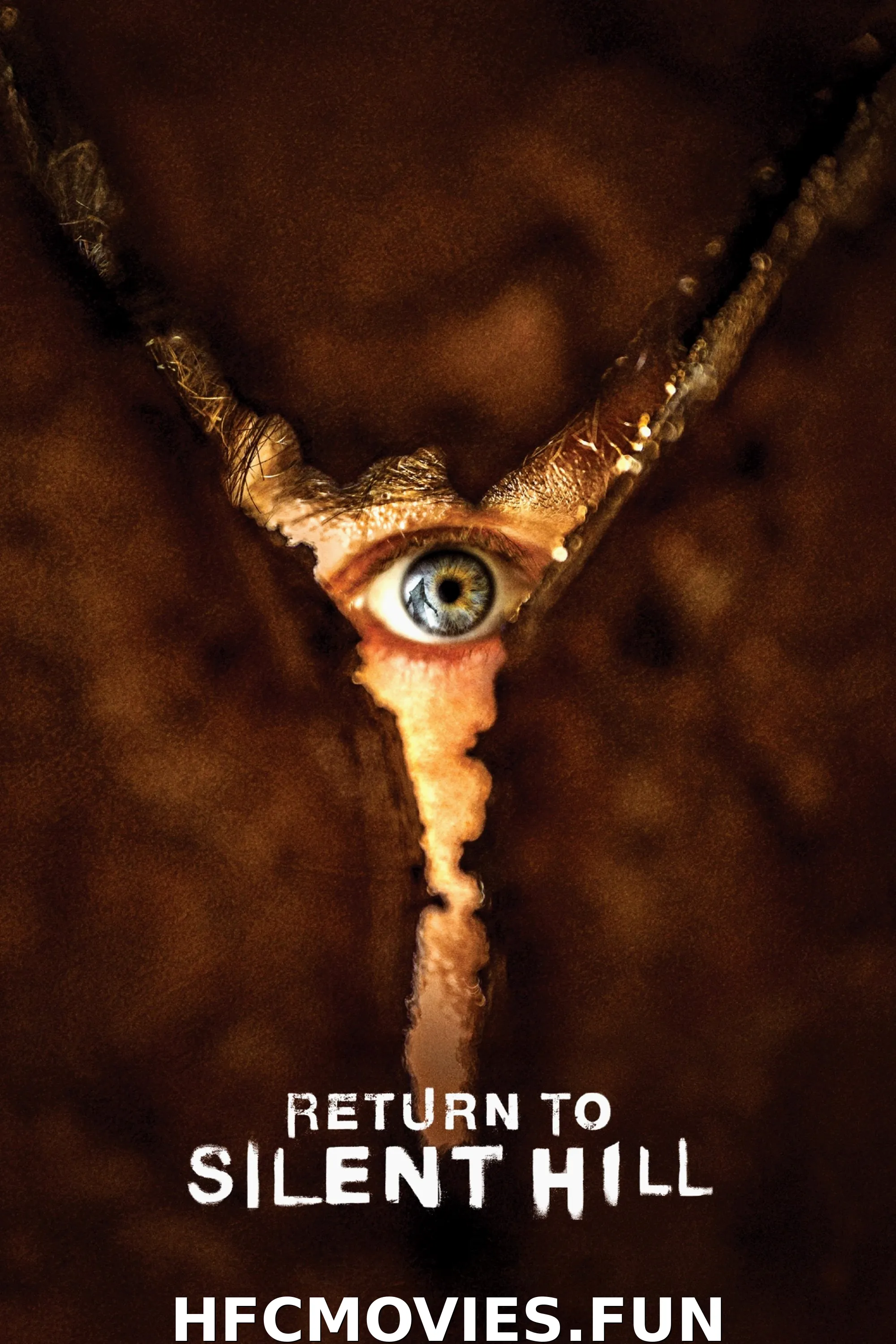
Introduction: The Hype Around Return to Silent Hill
It’s been a long, foggy wait for fans of psychological horror. For nearly two decades, the name “Silent Hill” has carried a weight that few other franchises can match. It’s not just about the monsters or the rust-covered walls; it’s about that specific, suffocating brand of dread that settles in your bones and refuses to leave. When Christophe Gans announced he was coming back to the director’s chair to adapt arguably the greatest horror story ever told—Silent Hill 2—the internet essentially went into a meltdown. People were skeptical, sure, but they were mostly desperate. We’ve had years of mediocre horror reboots that prioritize cheap jump scares over genuine atmosphere. Could a 2026 film actually capture the soul of a game released in 2001?
The hype wasn’t just about nostalgia, though. It was about redemption. The 2006 film remains a cult favorite for its visuals, while the 2012 sequel is something most fans prefer to pretend never happened. This new entry promised a return to the roots: a personal, tragic story of one man’s descent into a town that knows his darkest secrets. Before the first trailer even dropped, forums were buzzing with theories about how the iconic Pyramid Head would be utilized or how the “Otherworld” transitions would look with modern technology. The general mood in the theater on opening night was one of nervous excitement. You could feel the collective breath holding as the lights dimmed. After all, if this movie failed, would the franchise ever get another chance to step out of the fog? Or was this our last shot at seeing James Sunderland’s nightmare realized on the big screen in a way that actually respected the source material?
Storyline: A Deep Dive (No Spoilers)
The premise of Return to Silent Hill sticks remarkably close to the emotional core of the classic narrative while finding its own rhythm for a modern cinematic audience. We follow James Sunderland, a man who is clearly at the end of his rope. He is a shell of a person, haunted by the loss of his wife, Mary. His life has become a monotonous blur of grief and regret until he receives a cryptic letter. The catch? The letter is from Mary, and she’s been dead for years. The letter beckons him back to their “special place” in the town of Silent Hill, a lakeside resort that holds the echoes of their happiest and most painful memories.
From the moment James drives his car toward the outskirts of the town, the film establishes an oppressive sense of isolation. This isn’t a town that feels empty; it feels expectant. It feels alive. The story unfolds as James wanders through the thick, unnatural fog that blankets the streets, encountering a small cast of lost souls who are also trapped in their own personal versions of hell. We meet characters who seem misplaced, speaking in riddles and acting with a strange, detached intensity that keeps the audience questioning what is real and what is a projection of James’s fractured psyche.
The conflict isn’t just about surviving the physical threats that lurk behind every corner. It is a deeply internal struggle. Every monster James encounters serves as a grotesque metaphor for his own guilt, sexual frustration, and repressed trauma. The first act does a brilliant job of setting up the stakes without dumping too much information on the viewer. It lets the environment do the talking. The transitions into the “Otherworld”—where the world literally peels away to reveal a landscape of fire, industrial decay, and jagged metal—are timed with surgical precision. They don’t just happen; they are triggered by James’s emotional shifts. This isn’t your typical “hero goes to a scary place” plot. It is a slow-motion car crash of the soul, where the main character is both the victim and the investigator of his own undoing. Why did Mary send the letter? Why does the town seem to know exactly how to hurt him? These questions drive the narrative forward, ensuring that the horror is always grounded in something human and heartbreaking.
When it comes to the acting, the heavy lifting falls almost entirely on Jeremy Irvine’s shoulders. Playing James Sunderland is a thankless task in many ways because the character is fundamentally passive for a large portion of the story. However, Irvine manages to find the humanity in James’s exhaustion. His performance is subtle, focusing on the way his eyes dart around in panic or the way his hands tremble when he touches a familiar object. He doesn’t play James as a traditional action hero; he plays him as a man who is already dead inside and is just waiting for the world to catch up. His dialogue delivery is breathy and hesitant, perfectly capturing the feeling of someone who hasn’t spoken to another human being in a meaningful way for a long time.
Then there is Hannah Emily Anderson, who has the daunting challenge of playing multiple roles, most notably Maria. If Mary represents the saintly, tragic memory of James’s wife, Maria is the seductive, dangerous, and uncannily “off” version of her that the town creates. Anderson is spectacular here. She moves with a fluid, almost predatory grace that stands in stark contrast to the stiff, suffering James. Her ability to switch from being vulnerable and frightened to being mocking and cruel in a single scene is what makes the Maria character so effective. She exists in the “uncanny valley” of human emotion, making the audience feel just as uncomfortable as James does. Her chemistry with Irvine is intentionally awkward and charged with a weird energy that keeps you on edge. You want James to stay with her because she’s the only friend he has, but you also want him to run away as fast as he can.
Evie Templeton, despite her younger age, provides a haunting performance as well. Child actors in horror can often feel like a trope, but here, she brings a sense of grounded realism to the more surreal elements of the plot. The supporting cast, while small, helps to fill out the world, but this is truly the Irvine and Anderson show. They carry the emotional weight of the film through long stretches of silence where only their body language tells the story. In a genre often criticized for wooden acting, the performances in Return to Silent Hill are a breath of fresh air. They understand that the horror only works if we believe in the pain of the people experiencing it. The way Anderson handles the “Moth Mary” aspects of the role toward the latter half of the film is particularly impressive, blending physical theater with heavy emotional beats that could have easily felt ridiculous in the hands of a lesser actress.
Direction, Cinematography & BGM
Christophe Gans has always been a visual stylist first and foremost, and Return to Silent Hill is perhaps his most polished work to date. The direction avoids the frenetic, shaky-cam style that plagues modern horror. Instead, Gans opts for slow, sweeping camera movements that emphasize the scale of the environment. He treats the town like a character, giving it room to breathe. The color grading is a masterclass in mood-setting. The “fog world” is bathed in muted grays and desaturated blues that make the occasional splash of red—like Maria’s outfit—pop with a violent intensity. When the world shifts into the nightmare state, the palette turns to deep ochres, blacks, and rusted oranges, creating a sense of heat and filth that feels almost tactile.
The technical execution of the creatures is another highlight. Gans relies heavily on practical effects and suit actors, which gives the monsters a physical presence that CGI simply cannot replicate. The way the Mannequins move or the lumbering, heavy steps of the iconic executioner character feel real and threatening. The cinematography uses tight, claustrophobic framing in the indoor scenes, making the viewer feel trapped alongside James, while the wide shots of the foggy streets evoke a sense of agoraphobia and being watched from a distance.
However, the real MVP of the technical department is the background score. While it draws heavily from the original compositions by Akira Yamaoka, the new arrangements bring a fresh layer of intensity. The use of industrial metallic clanging, distorted white noise, and haunting trip-hop melodies is essential to the experience. The music doesn’t just tell you when to be scared; it creates a constant state of low-level anxiety that never lets up. There are scenes where the audio completely drops out, leaving only the sound of James’s heavy breathing, which is arguably more terrifying than any orchestral swell. The BGM elevates crucial scenes, particularly the encounters with the more symbolic creatures, turning what could have been a standard chase scene into something more akin to a fever dream. The sound design, from the static of a radio to the distant sound of a siren, is layered so expertly that it feels like the theater itself is breathing.
Box Office Collection & OTT Release Updates
From a business perspective, Return to Silent Hill was always going to be an interesting experiment. With a production budget estimated around $45 million, it’s a mid-range film that needs to perform well both domestically and internationally to see a profit. On its opening day, the film exceeded expectations, pulling in $8.5 million in the US alone. This was largely driven by the hardcore fan base who showed up for Thursday night previews. By the end of its first weekend, the movie had crossed the $24 million mark, proving that there is still a massive appetite for R-rated, psychological horror that doesn’t hold the audience’s hand.
Trade analysts are predicting a lifetime domestic run of about $65 million, with international markets like Japan and Europe expected to add another $70-80 million to the total. While it might not reach the billion-dollar heights of a superhero flick, for a specialized horror film, these are fantastic numbers. It shows that Sony and the production partners knew exactly who they were marketing to. As for the digital side of things, the OTT rights have been a hot topic of conversation.
The film is slated to hit streaming platforms roughly 45 to 60 days after its theatrical release. Current reports suggest that Sony Pictures Core will have the initial exclusive window for high-quality streaming, followed by a wider release on platforms like Netflix or Amazon Prime Video later in the year. For those who want to own the film, a 4K UHD physical release is already being teased with behind-the-scenes features on the practical creature effects. If you missed it in the cinema, the home viewing experience will likely be just as intense, especially for those with a decent surround sound setup to appreciate that incredible score.
Why You Should Watch Return to Silent Hill? (Final Verdict)
So, after all the years of waiting and the mountain of expectations, is Return to Silent Hill worth your time? The short answer is a resounding yes, but with a few caveats. This is not a “popcorn” horror movie. It isn’t a film you put on in the background while scrolling through your phone. It demands your full attention and your willingness to sit with uncomfortable themes of grief, punishment, and self-loathing.
The pros are obvious: the visuals are breathtaking, the acting is top-tier for the genre, and the respect for the source material is evident in every frame. It manages to modernize the story without losing the weird, poetic soul that made the original game so special. On the flip side, some viewers might find the pacing a bit too deliberate. It’s a slow burn, and if you’re looking for a movie that has a monster jumping out every five minutes, you might leave disappointed. There are also moments where the plot becomes so abstract that it might confuse people who aren’t familiar with the franchise’s lore.
That being said, for fans of “elevated” horror or anyone who appreciates a movie that trusts its audience to think, this is a must-watch. It’s a haunting, beautiful, and deeply tragic exploration of what happens when we can’t let go of the past. It’s perfect for a late-night viewing when the world outside is quiet and you’re ready to let the fog roll in.
Final Rating: 4/5 Stars
This movie is a victory for fans and a solid entry point for newcomers. It proves that horror can be more than just screams; it can be a reflection of our own internal struggles. If you have any love for psychological thrillers or the legacy of Silent Hill, do yourself a favor and see this on the biggest screen possible. Just don’t expect to feel particularly cheerful when the credits roll. After all, nobody ever really leaves Silent Hill unchanged.